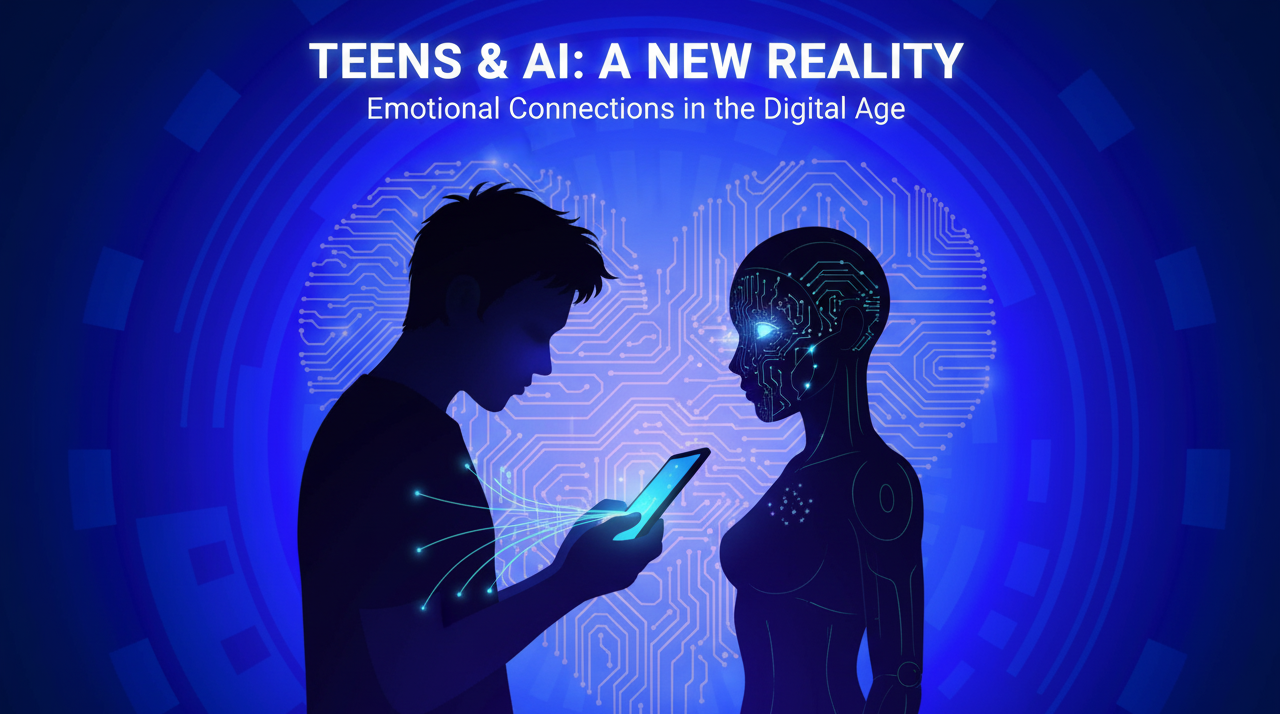
My Friend is a Robot: Why Teens Are Forming Emotional Bonds with AI
In between homework and hanging out with friends, a new type of relationship is forming—one between teenagers and artificial intelligence. You’ve probably seen the headlines: “Teens Are Forming Questionable Relationships With Them: Experts Warn It’s Gone Too Far.” It sounds like science fiction, but it’s happening right now.
More and more teens are turning to AI chatbots for companionship, advice, and even emotional support. But is this a healthy way to cope with the pressures of growing up, or is it a dangerous path that blurs the line between reality and simulation? Let’s dive in.
The Allure of the AI Friend: Why Are Teens Logging On?
It’s easy to dismiss this trend, but understanding why it’s happening is key. For many teens, an AI companion offers something they struggle to find elsewhere.
- A Judgment-Free Zone: AI doesn’t judge. Teens can share their deepest fears, secrets, and anxieties without worrying about gossip or negative reactions.
- 24/7 Availability: Loneliness doesn’t keep a 9-to-5 schedule. An AI friend is always there to talk, whether it’s late at night or during a stressful school day.
- A Cure for Loneliness: Despite being more connected than ever online, many young people feel isolated. For some, developing an emotional connection with AI feels like a solution to that loneliness.
- Social Practice: For shy or anxious teens, chatting with an AI can feel like a safe way to practice conversation skills before trying them out in the real world.
The Red Flags: Hidden Dangers of AI Companionship
While the benefits might seem appealing, experts are raising serious concerns about the long-term effects of teens and AI relationships. Here’s what has them worried:
- It’s Not Real Empathy: An AI is programmed to mimic empathy. It uses algorithms to say the right things, but it can’t truly understand or share feelings. Relying on this simulated emotion can prevent teens from learning how to navigate the complexities of real human connection.
- Stunted Social Skills: If a teen spends more time talking to a perfectly agreeable bot than to their peers, they may miss out on developing crucial social skills like reading body language, resolving conflicts, and handling rejection.
- Data Privacy Risks: What happens to the personal secrets and vulnerable thoughts shared with an AI? These platforms collect vast amounts of data, and it’s often unclear how that information is being used, stored, or protected.
- Unrealistic Expectations: Real friendships are messy. They involve disagreements, misunderstandings, and effort. A teen accustomed to a perfect, compliant AI friend may find it difficult to build resilient, authentic relationships with other people.
What Parents and Guardians Can Do
Navigating this new digital landscape can be tough, but ignoring it isn’t an option. If you’re concerned about your teen’s relationship with technology, here are a few simple steps to take:
- Start a Conversation: Ask them about the apps they use. Talk openly and without judgment about AI friends. Ask questions like, “What do you like about talking to it?” or “How does it make you feel?”
- Encourage Real-World Connections: Help your teen find opportunities for face-to-face interaction. This could be through sports, clubs, hobbies, or just spending quality time with family.
- Set Healthy Boundaries: It’s important to have rules around screen time and to teach the difference between using technology as a tool and using it as a replacement for real life.
- Lead by Example: Show them what healthy relationships—both online and offline—look like.
The Final Word
The rise of AI friends for teens is a complex issue. While they can offer a temporary fix for loneliness, they can’t replace the depth, growth, and genuine connection that comes from real human friendships. Technology is a powerful tool, but when it comes to our emotional well-being, nothing beats the real thing.